

Keeping your floors clean is a non-negotiable part of home maintenance, but with so many cleaning tools on the market, choosing between a traditional mop and a modern floor scrubber can feel overwhelming. If you’re asking yourself “Floor scrubber vs mop: which is better?”, you’re not alone. This guide breaks down the key differences, pros and cons, and ideal use cases for both tools—so you can make an informed decision that fits your home, lifestyle, and cleaning needs. We’ll also cover SEO-friendly tips to help you choose the right tool for your space, whether you have hardwood, tile, laminate, or carpeted floors.
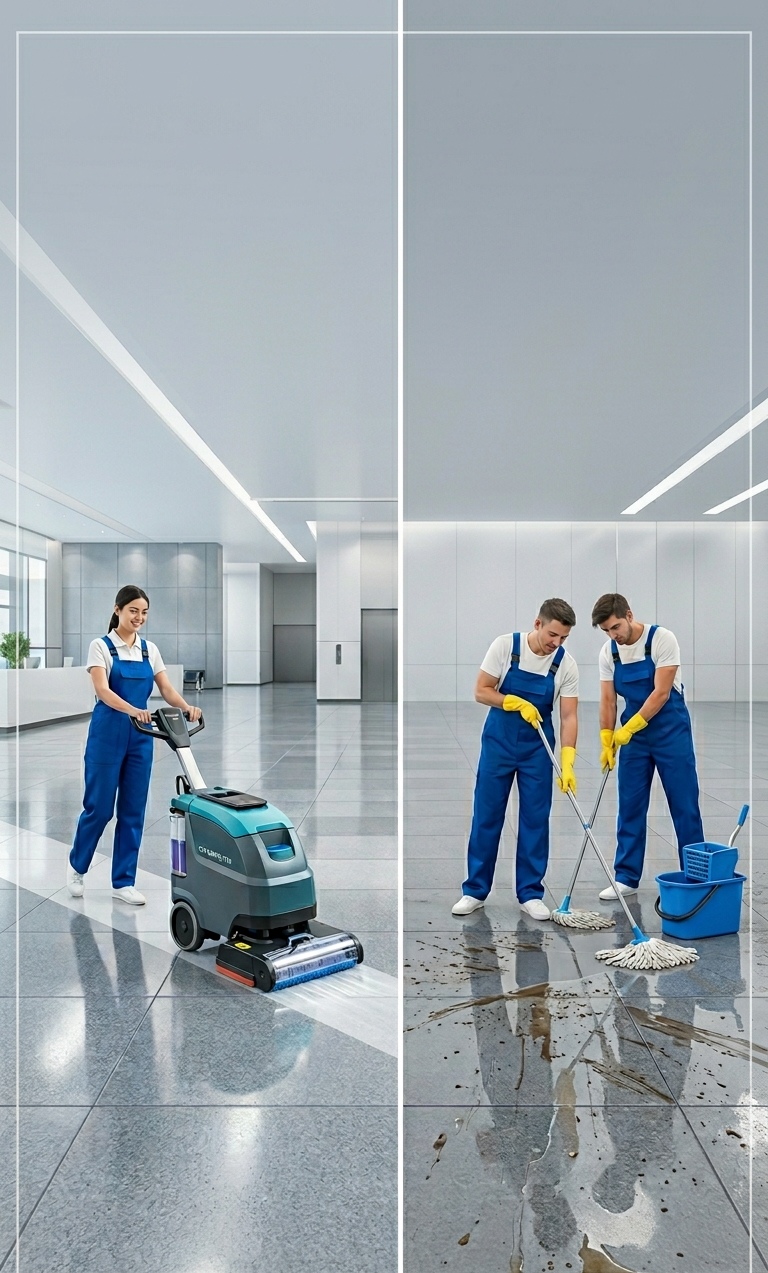
What Is a Floor Scrubber? What Is a Mop?
Before diving into the comparison, let’s clarify what each tool is—since understanding their design and functionality is key to knowing which one works for you.
Floor Scrubber: The Modern Cleaning Powerhouse
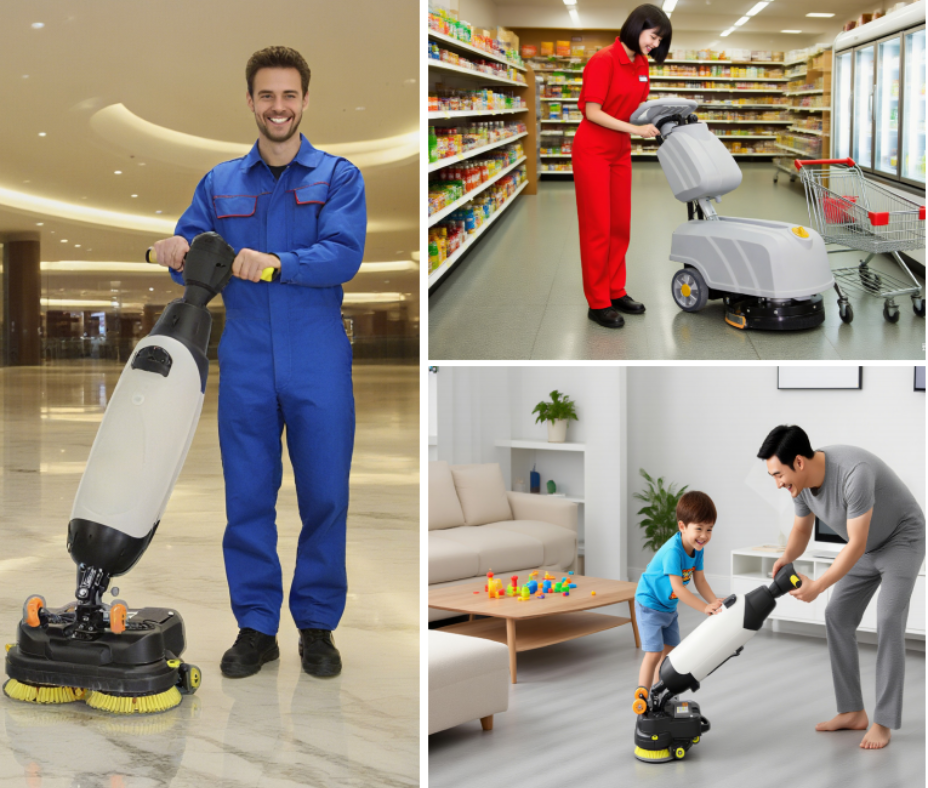
A floor scrubber (also called a floor cleaner or wet/dry scrubber) is an electric cleaning tool designed toscrub, clean, and dry floors in one pass. There are two main types: corded and cordless (battery-powered). Most modern floor scrubbers combine water, cleaning solution, rotating brushes (or rollers), and a suction mechanism to lift dirt, stains, and grime—eliminating the need for a separate bucket, wringer, or drying step. They’re available in compact sizes for small homes, as well as larger models for commercial spaces, but we’ll focus on residential floor scrubbers here.
Mop: The Classic, Low-Cost Staple
A mop is a traditional manual cleaning tool consisting of a handle and an absorbent head (usually made of cotton, microfiber, or sponge). There are several variations: string mops (classic cotton), flat mops (microfiber pads), spin mops (with a wringer bucket), and sponge mops. Mops work by dipping the head in a bucket of water and cleaning solution, wringing out excess moisture, then wiping the floor to remove dirt. They require manual effort to scrub tough stains and often leave floors damp, which can lead to water spots or damage over time. searched-for features and pain points addressed here.
1. Cleaning Performance: Which Gets Floors Cleaner?
When it comes to deep cleaning and stain removal, floor scrubbers have a clear advantage. Here’s why:
- Floor Scrubber: The rotating brushes (or rollers) agitate dirt and grime at high speeds, lifting even tough stains (like dried food, pet accidents, or mud) from the surface and between floor tiles. The built-in suction then immediately removes the dirty water, leaving floors clean and almost dry. This is especially effective for porous floors (like tile or grout) where dirt can get trapped—something a mop often misses.
- Mop: Mops rely on manual scrubbing, which means they’re great for light dirt and daily touch-ups but struggle with tough stains. They also tend to push dirt around rather than lifting it—especially if the mop head is too wet or dirty. For example, a string mop might leave streaks on hardwood floors or fail to clean grout lines thoroughly. Additionally, mops can spread bacteria if the cleaning water becomes contaminated (a common issue with traditional bucket mops).
Winner: Floor scrubber (for deep cleaning and tough stains); Mop (for quick, light touch-ups).
2. Ease of Use: Which Saves Time and Effort?
For busy homeowners, ease of use is a top priority. Let’s compare the effort required for each tool:
- Floor Scrubber: Most cordless floor scrubbers are lightweight and easy to maneuver—you simply push them across the floor, and the machine does the scrubbing and suction work. No need to carry a heavy bucket, wring out a soggy mop, or bend over to scrub stains. Many models also have adjustable settings for different floor types (e.g., hardwood vs. tile) and can clean edges and corners with a rotating brush head. The only effort required is refilling the water tank and emptying the dirty water tank after use.
- Mop: Mops require significant manual effort. You have to fill a bucket with water and cleaning solution, dip the mop, wring it out (which can be tiring), and then scrub the floor manually. For large spaces, this can take twice as long as using a floor scrubber. Spin mops reduce some effort by making wringing easier, but they still require more work than a floor scrubber. Mops also leave floors damp, so you may need to wait for them to dry before walking on them—adding extra time to your cleaning routine.
Winner: Floor scrubber (saves time, reduces physical effort).
3. Cost: Upfront vs. Long-Term Expenses
Cost is a major factor for many homeowners. Let’s break down the upfront and long-term costs of both tools:
- Floor Scrubber: Upfront cost is higher—residential floor scrubbers range from $100 to $500+ (higher-end models with more features, like self-cleaning brushes or longer battery life, cost more). However, long-term costs are lower: you’ll need to replace the brush heads or rollers every 6–12 months (costing $10–$30 each) and refill cleaning solution. Cordless models also require battery replacement every 2–3 years (if the battery degrades), but many modern models have removable, rechargeable batteries.
- Mop: Upfront cost is very low—basic string mops cost $10–$20, flat mops $20–$50, and spin mops $30–$80. However, long-term costs can add up: you’ll need to replace mop heads regularly (every 1–3 months, depending on use) and buy cleaning solution. Additionally, if you use a traditional bucket mop, you may need to replace the bucket over time. While the upfront cost is lower, the ongoing replacement costs can match or exceed a floor scrubber over a few years.
Winner: Mop (upfront cost); Floor scrubber (long-term cost).
4. Maintenance: Which Is Easier to Care For?
Proper maintenance ensures your cleaning tools last longer. Here’s how floor scrubbers and mops compare:
- Floor Scrubber: Maintenance is relatively simple. After each use, you’ll need to empty and rinse the dirty water tank, wipe down the brush head, and let it dry. Some models have self-cleaning functions that clean the brush head automatically—saving you time. You’ll also need to charge the battery (for cordless models) and replace brush heads/rollers periodically. Avoid using harsh chemicals, as they can damage the machine’s internal components.
- Mop: Maintenance is straightforward but frequent. After each use, you’ll need to rinse the mop head thoroughly, wring it out, and hang it to dry (to prevent mold and mildew). Mop heads should be replaced regularly (as mentioned earlier) to avoid spreading bacteria. Spin mops may require cleaning the wringer mechanism to prevent clogs. While simple, the frequent need to clean and replace mop heads can be tedious.
Winner: Tie (both are easy to maintain, but floor scrubbers require less frequent replacement).
5. Floor Type Compatibility: Which Works for Your Floors?
Not all cleaning tools work for all floor types. Here’s what you need to know:
- Floor Scrubber: Most modern floor scrubbers are safe for hardwood, tile, laminate, vinyl, and even low-pile carpet (some models have a carpet mode). They have adjustable water flow and brush speed, so you can use them on delicate floors (like hardwood) without damaging the finish. However, avoid using floor scrubbers on unsealed hardwood or porous stone floors (like marble) that are sensitive to water.
- Mop: Mops are compatible with most floor types, but you have to be careful with moisture. For example, string mops can leave too much water on hardwood floors, leading to warping or water damage. Flat microfiber mops are better for hardwood because they use less water. Mops are also safe for tile, laminate, and vinyl, but they may not clean grout lines as effectively as a floor scrubber. Sponge mops are good for tile but can scratch delicate surfaces if not used gently.
Winner: Floor scrubber (more versatile for different floor types, with adjustable settings).
6. Environmental Impact: Which Is More Eco-Friendly?
If sustainability is important to you, here’s how the two tools stack up:
- Floor Scrubber: Cordless floor scrubbers use less water than mops (since they recirculate water and suction it up immediately), which saves water. They also require less cleaning solution (many models work with just water or a small amount of eco-friendly solution). However, they use electricity (or batteries), which has a carbon footprint. Brush heads are replaceable but can be recycled in some cases.
- Mop: Mops use more water (especially traditional bucket mops) and may require more cleaning solution. Disposable mop heads add to landfill waste, while reusable mop heads need to be washed (using water and detergent). Mops don’t use electricity, so they have a lower carbon footprint in that regard—but the higher water usage can offset this.
Winner: Floor scrubber (uses less water and cleaning solution; better for eco-conscious homeowners who prioritize water conservation).
Floor scrubber vs mop: which is better?
Now that we’ve compared the two tools, let’s help you decide which one is right for you. Use this guide to match your needs to the tool:
Choose a Floor Scrubber If:
- You have a large home or busy household (kids, pets) that requires frequent deep cleaning.
- You want to save time and reduce physical effort (no more wringing mops or carrying buckets).
- You have tile, grout, or porous floors that need thorough cleaning.
- You prefer drier floors (no waiting for them to air dry).
- You’re willing to invest in an upfront cost for long-term convenience and better cleaning performance.
Choose a Mop If:
- You have a small space (e.g., apartment) and only need light, daily touch-ups.
- You’re on a tight budget and can’t afford an upfront investment in a floor scrubber.
- You have unsealed hardwood or delicate stone floors that are sensitive to water (use a flat microfiber mop with minimal water).
- You prefer a simple, no-electricity tool (no charging or battery replacement).
Final Verdict: Floor Scrubber vs Mop
There’s no one-size-fits-all answer to “Floor scrubber vs mop: which is better?”—it depends on your home, lifestyle, and budget. However, for most modern homeowners, a floor scrubber is the better long-term investment for its time-saving, deep-cleaning capabilities. It’s especially ideal for families, pet owners, or anyone who wants to make cleaning less of a chore.
That said, a mop is still a great backup tool for quick touch-ups or small spaces. Many homeowners keep both: a floor scrubber for weekly deep cleaning and a mop for daily spot cleaning. Ultimately, the best tool is the one that fits your needs and makes cleaning easier—so you can spend less time scrubbing floors and more time doing what you love.