

Road Sweeper Cost: The Ultimate 2026 Buyer’s Guide to Investment and ROI
Release time: 2026-04-28
When managing a large-scale facility, a municipal district, or an industrial warehouse, cleanliness is more than just aesthetics—it is a matter of safety, compliance, and operational efficiency. The most common question for decision-makers is: What is the actual road sweeper cost?
While the initial purchase price is a significant factor, understanding the total cost of ownership (TCO) is essential for a sustainable investment. In this guide, we break down the variables that influence pricing and why high-efficiency electric sweepers are becoming the global standard.
The Components of Initial Road Sweeper Pricing
The price of a road sweeper is not a “one-size-fits-all” figure. It fluctuates based on several technical dimensions:
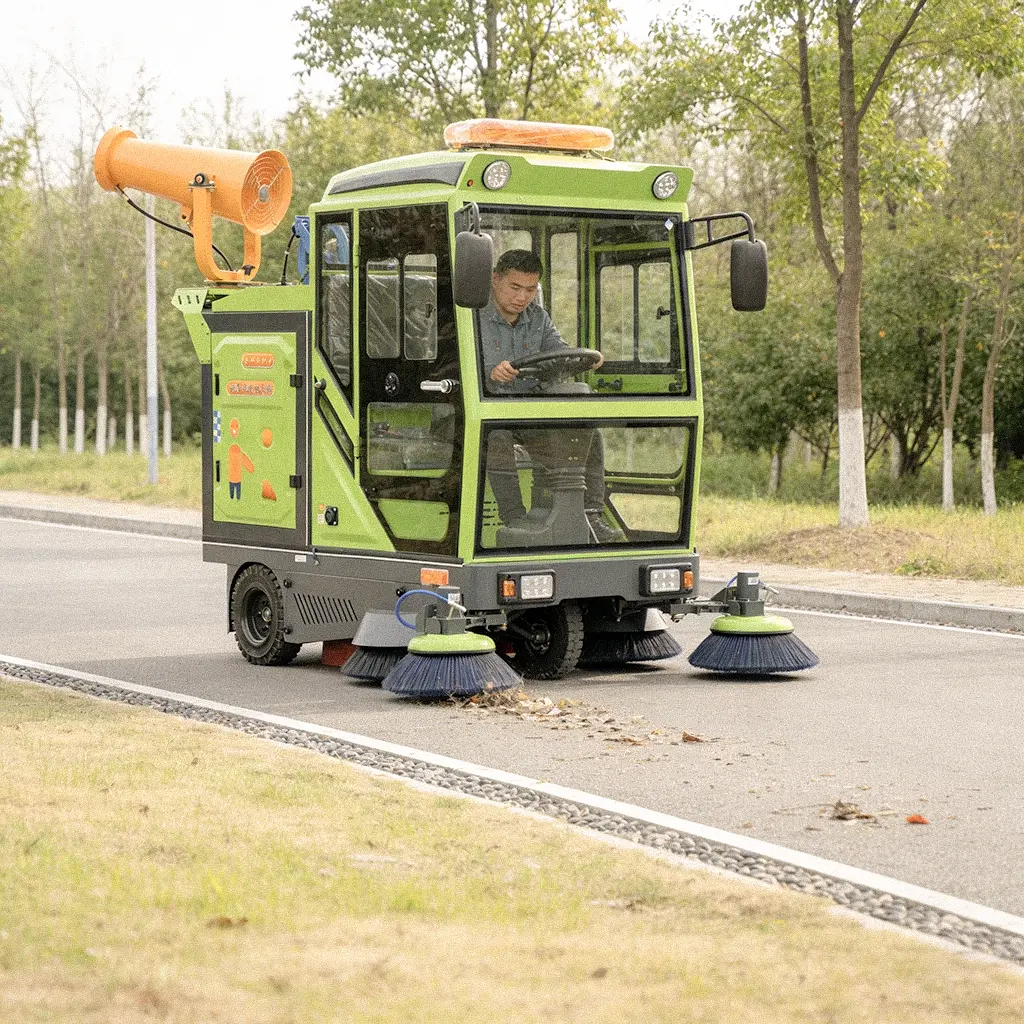
- Battery Technology and Capacity: For modern electric sweepers, the battery is the heart of the machine. High-capacity Lithium-ion batteries (e.g., 48V or 60V systems) carry a higher upfront cost than lead-acid alternatives but offer a significantly longer lifespan and faster charging cycles.
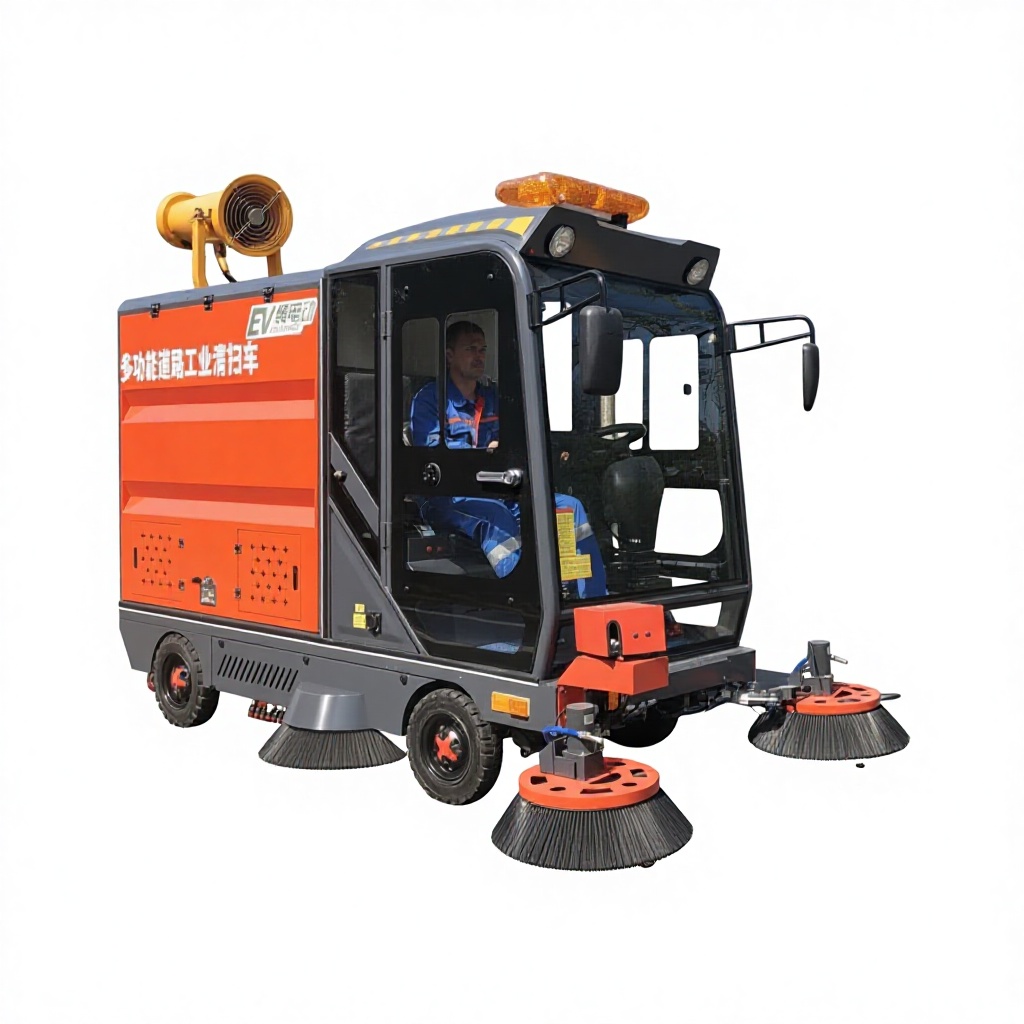
- Cleaning Width and Efficiency: Larger machines designed for municipal streets can clean up to 20,000–35,000 m²/h. The wider the cleaning path and the higher the theoretical efficiency, the higher the equipment’s value.
- Hopper and Water Tank Volume: Commercial-grade sweepers with large debris hoppers (up to 600L) allow for longer operation times without frequent unloading, which increases the machine’s price but lowers labor downtime.
Operational Costs: Electric vs. Traditional
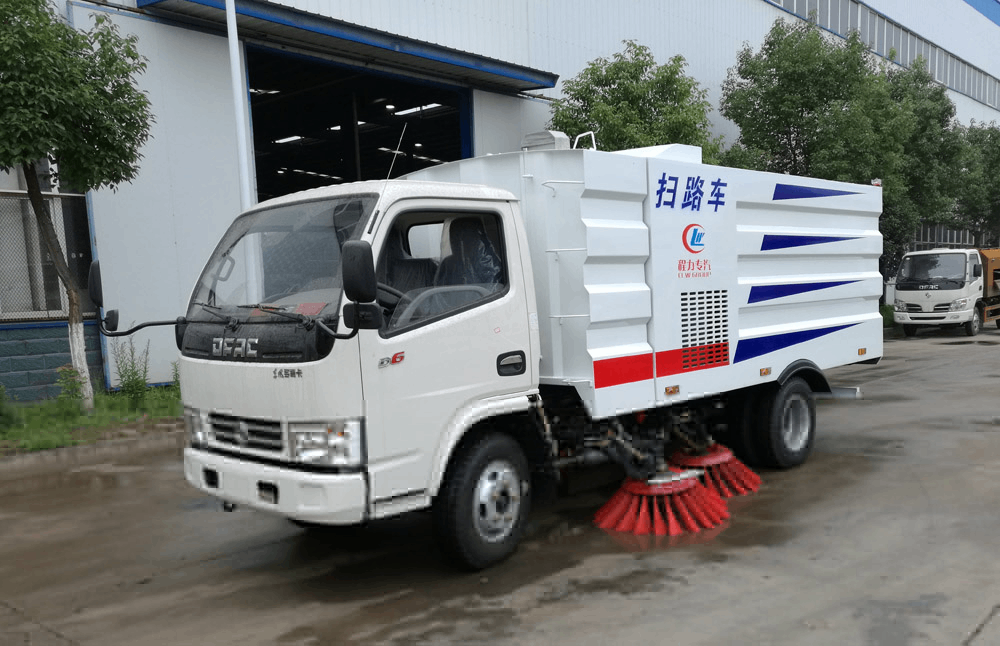
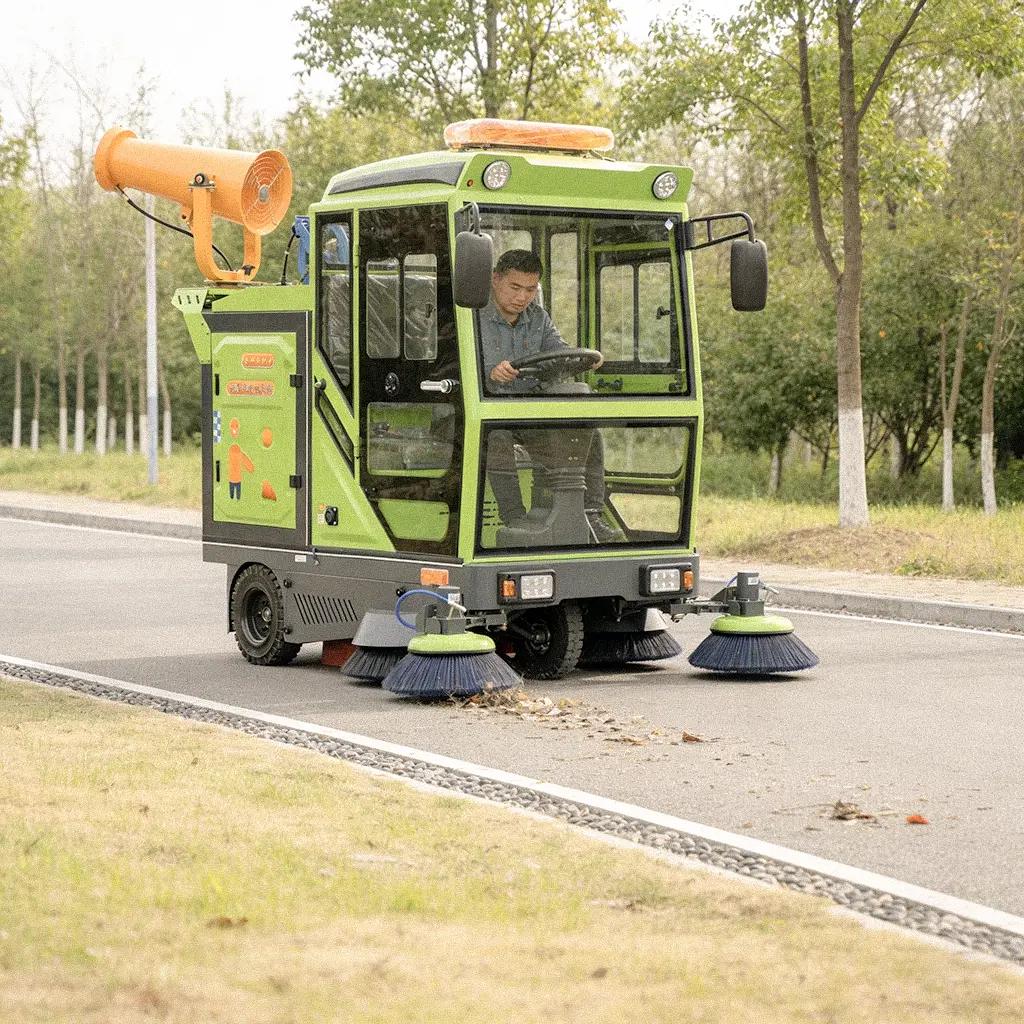
The “cost” of a road sweeper extends far beyond the dealership. One of the biggest shifts in the industry is the transition from diesel to electric road sweepers.
- Energy Consumption: Electric models drastically reduce daily energy costs compared to the volatility of diesel prices.
- Maintenance Expenses: Electric sweepers have fewer moving parts than internal combustion engines. There are no oil changes, spark plugs, or complex transmission repairs, which can reduce long-term maintenance costs by up to 40%.
- Labor Efficiency: A high-performance ride-on sweeper can replace a manual cleaning crew of 10 to 15 people, allowing businesses to reallocate human resources to more critical tasks.
3. Calculating Your Return on Investment (ROI)
To justify the road sweeper cost, one must look at the ROI. A well-engineered sweeper typically pays for itself within 6 to 12 months. Factors contributing to this include:
- Reduced Labor Hours: Cutting cleaning time from days to hours.
- Asset Protection: Regular sweeping prevents dust and debris from damaging warehouse floors or clogging industrial drainage systems.
- Brand Reputation: A clean facility reflects professionalism and adherence to environmental standards.
4. Estimated Investment: What to Expect?
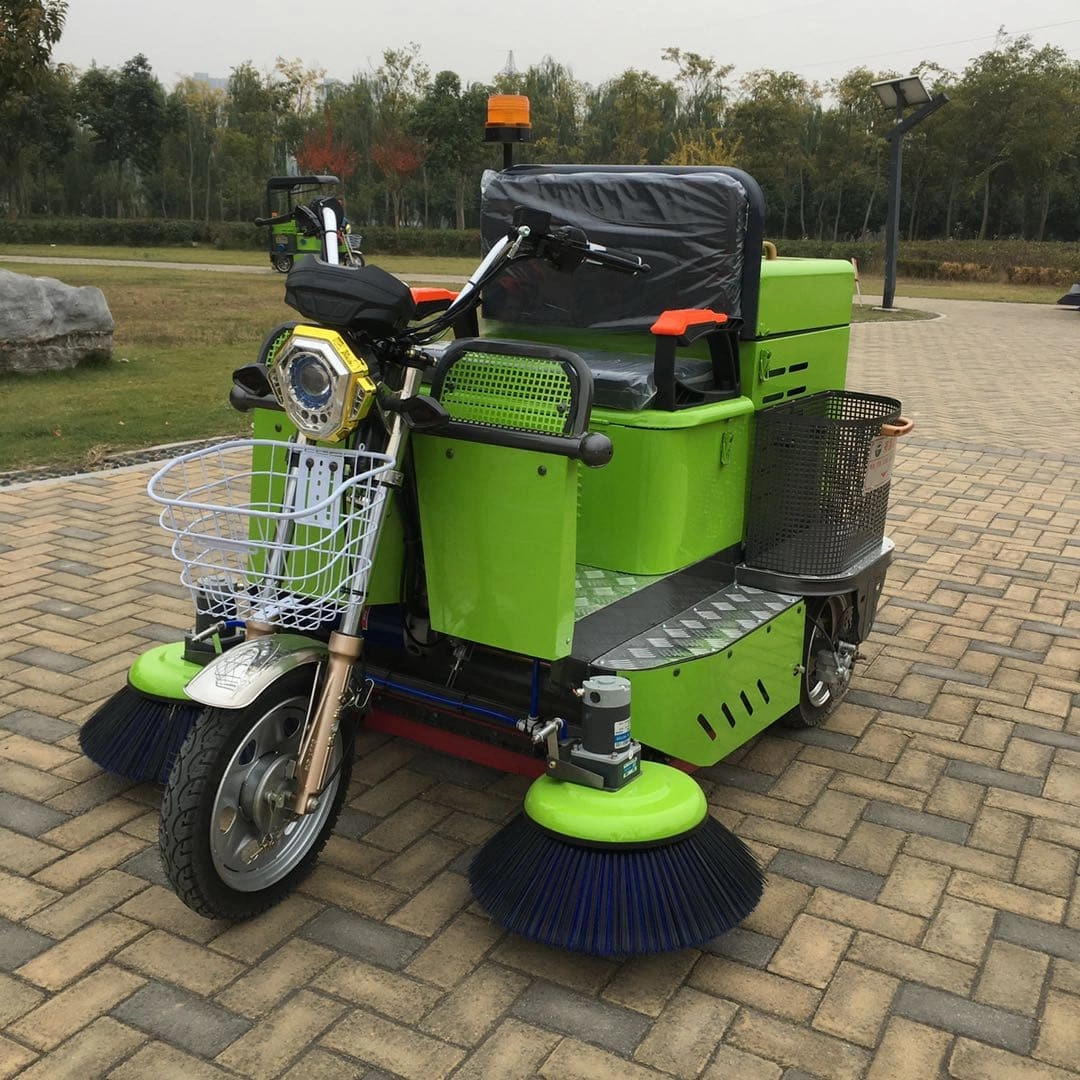
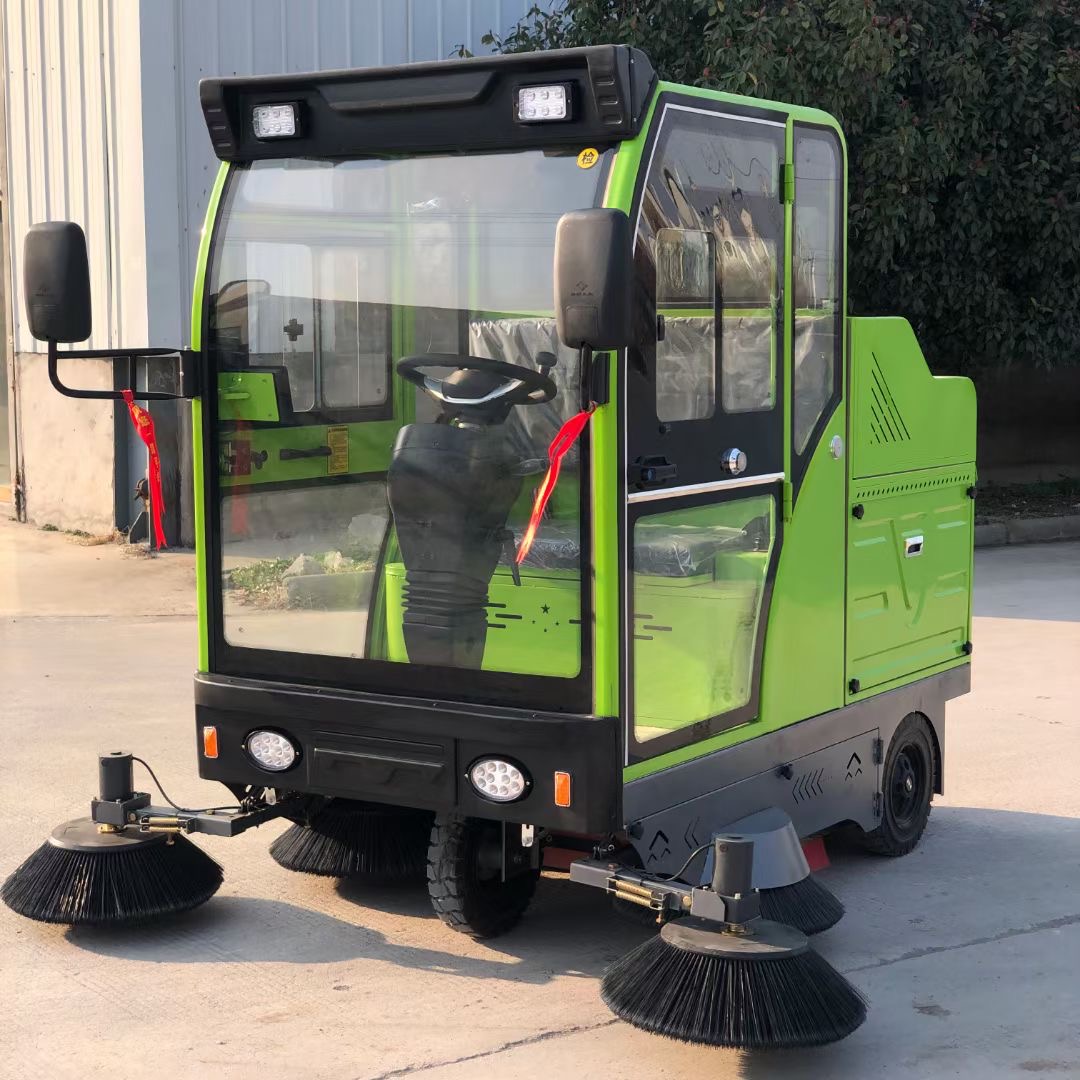
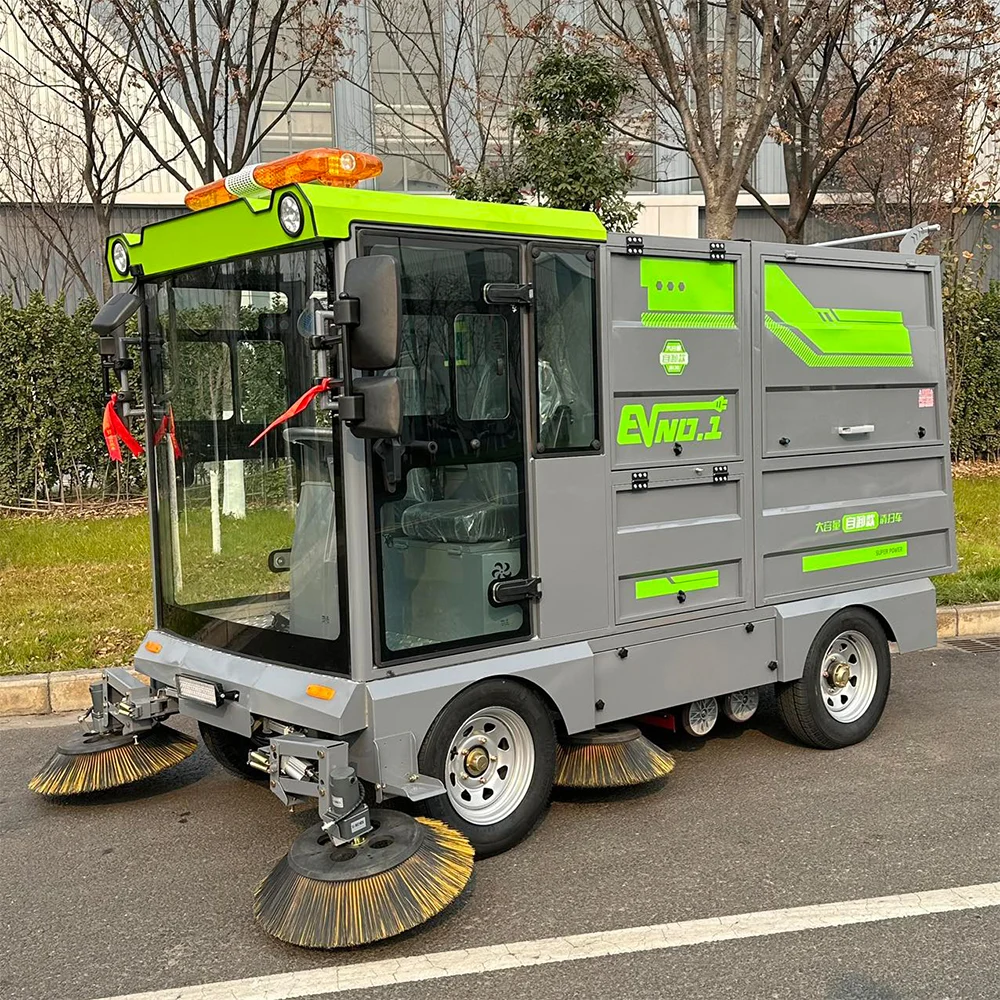
The total road sweeper cost varies primarily based on the scale and power of the machine. Depending on the size, capacity, and technical specifications:
Price Range: You can expect a professional-grade road sweeper to cost approximately $1,500 to $11,000.
- Entry-Level/Compact Models ($1,500 – $4,000): Ideal for indoor warehouses, small parking lots, or narrow aisles where maneuverability is key.
- Mid-Range Industrial Sweepers ($4,000 – $7,500): Designed for standard factory floors and commercial complexes, offering a balance of speed and debris capacity.
- Heavy-Duty/Municipal Models ($7,500 – $11,000+): High-capacity machines with wide cleaning paths, large water tanks, and advanced filtration for street cleaning and large-scale industrial parks.
5. Why SUTO Provides the Best Value
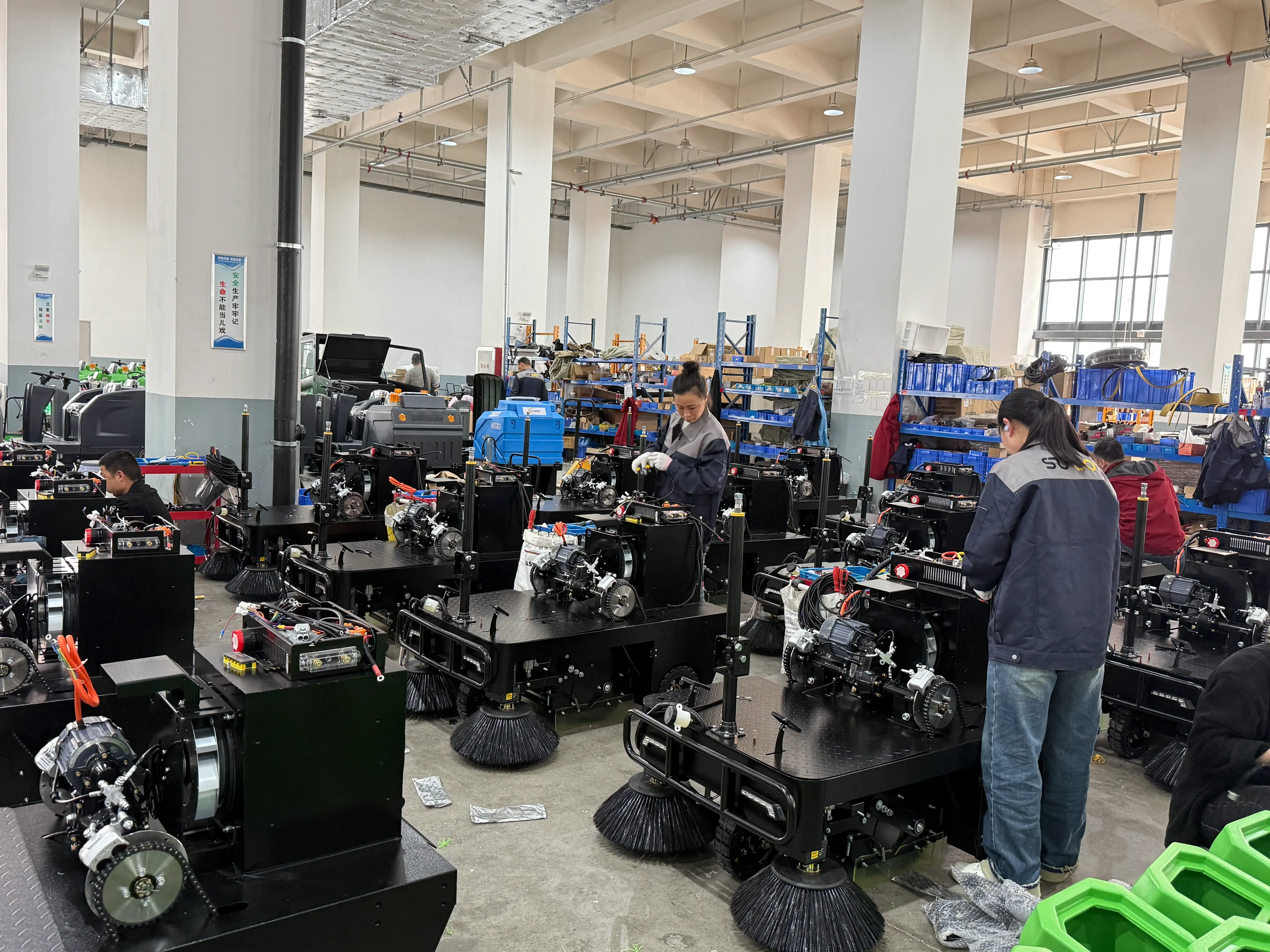
At SUTO (Shutong Intelligent Technology), we understand that our clients are looking for a balance between premium performance and competitive pricing. With over 8 years of manufacturing expertise and a specialized 10,000m² factory, we focus on reducing your costs through:
- Integrated Design: Our machines combine sweeping, vacuuming, and water-sprinkling to prevent secondary dust pollution.
- Durability: Using high-grade nylon brushes and reinforced steel frames ensures that your investment lasts for years, not months.
- OEM/ODM Flexibility: We customize equipment to fit your specific budget and technical requirements, ensuring you don’t pay for features you don’t need.
Conclusion
So, how much does a road sweeper cost? It costs as much as the value it brings to your operation. While budget-friendly models are available for light commercial use, heavy-duty industrial parks and municipal streets require robust, high-capacity machines to ensure a positive ROI.
Are you looking for a detailed quote tailored to your facility’s needs? Contact SUTO today for a free consultation and let us help you find the most cost-effective cleaning solution for your business.