

Push Sweeper: The Ultimate Guide to Walk-Behind Floor Cleaning Solutions-2026
Release time: 2026-04-01
Introduction to Push Sweepers & Walk-Behind Sweepers
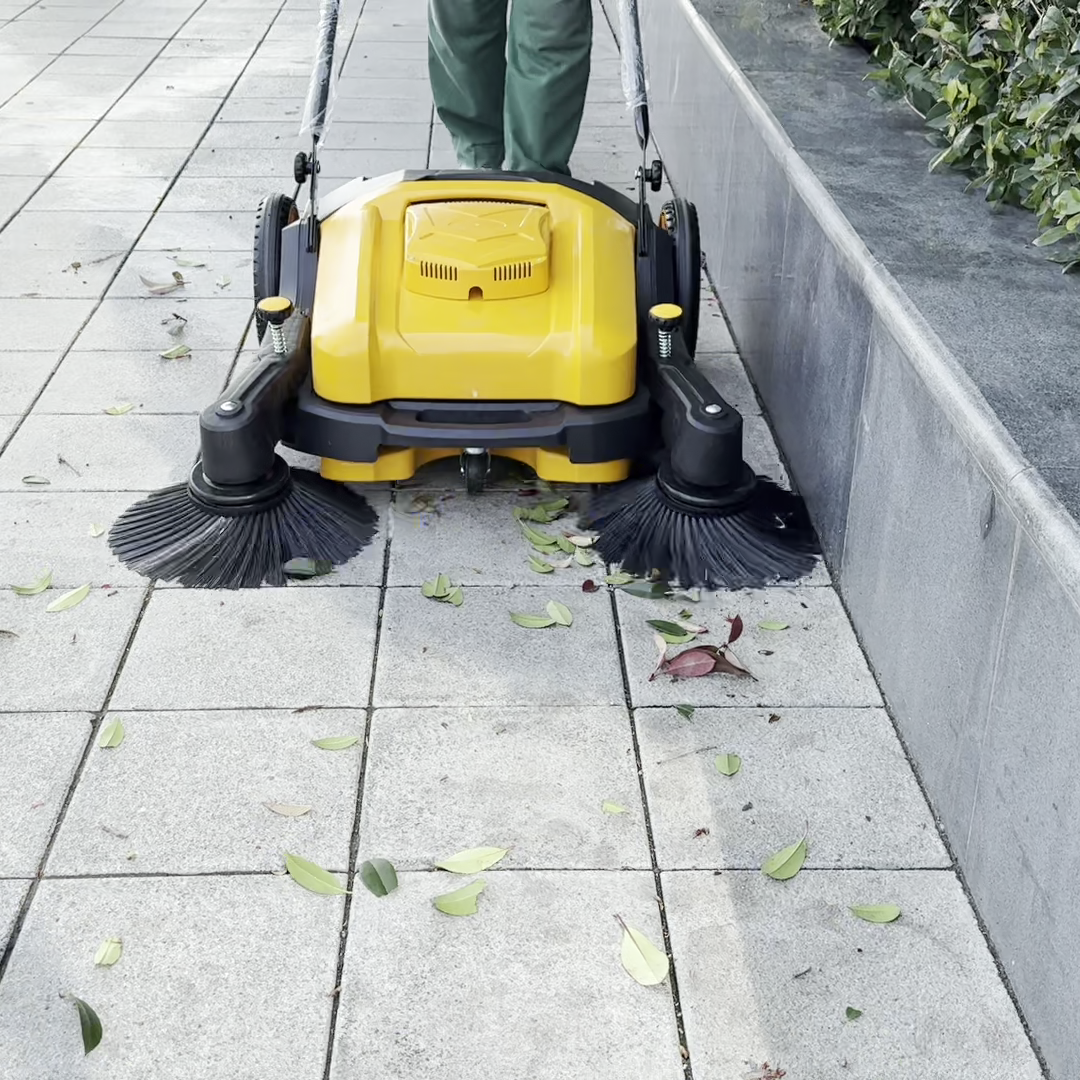
| Feature | Manual Push Sweeper | Powered Walk-Behind Sweeper |
| Power Source | Human-powered (mechanical drive) | Electric |
| Physical Effort | Moderate (operator pushes to move) | Low (self-propelled, minimal guidance) |
| Coverage Efficiency | 20,000-30,000 sq. ft./hour | 30,000-45,000 sq. ft./hour |
| Ideal Area | Small to medium spaces (<1,000 sq. meters) | Medium to large spaces (1,000-2,500 sq. meters) |
| Maintenance | Minimal (no engine/electrical parts) | Regular upkeep (motor, battery, filters) |
In commercial and industrial cleaning, push sweepers (also known as walk-behind sweepers) have emerged as indispensable tools for efficient floor maintenance. Combining practicality, cost-effectiveness, and superior cleaning performance, these manual or semi-motorized machines bridge the gap between traditional brooms and heavy-duty ride-on sweepers. Whether you’re managing a small warehouse, retail store, school campus, or industrial facility, understanding the nuances of push sweepers and walk-behind sweepers is key to optimizing your cleaning operations.
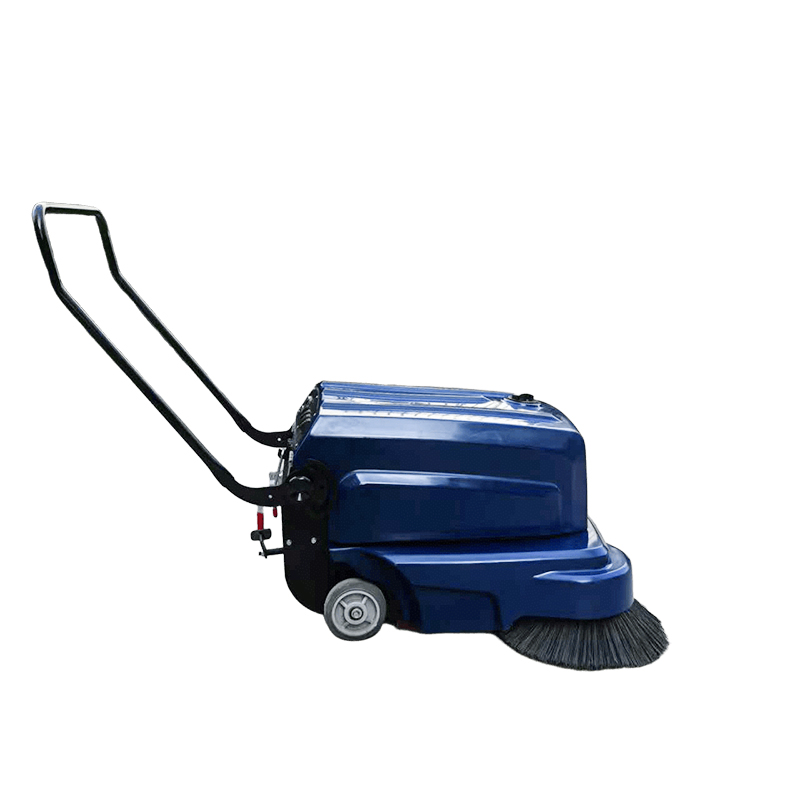
Both types excel at maneuvering through narrow aisles and tight corners—areas where ride-on sweepers struggle to access. Their compact design makes them perfect for daily touch-up cleaning and routine maintenance tasks.
Core Advantages of Push Sweepers & Walk-Behind Sweepers
1. Unmatched Cost Efficiency
Push sweepers eliminate recurring costs associated with electricity, fuel, or battery replacements. As mechanical devices with simple structures, they have fewer moving parts, reducing maintenance expenses by up to 70% compared to motorized alternatives. For businesses aiming to cut operational costs without compromising cleanliness, these machines deliver exceptional ROI.
2. Eco-Friendly & Quiet Operation
Zero emissions and low noise levels (often under 60dB) make push sweepers ideal for noise-sensitive environments like hospitals, libraries, and residential complexes. Unlike traditional cleaning methods that generate dust clouds, modern walk-behind sweepers feature sealed dust collection systems, preventing secondary pollution and improving air quality.
3. Superior Cleaning Performance
Equipped with dual side brushes and a high-efficiency main brush, push sweepers can collect dust, sand, gravel, leaves, and small debris in one pass. The brush height adjustment system ensures optimal contact with various surfaces—concrete, tile, marble, and asphalt—leaving floors spotless with 99% debris removal efficiency.
4. Versatile Application Scenarios
From warehouse floors and factory workshops to parking lots, school playgrounds, and residential compounds, push sweepers adapt to diverse environments. Their lightweight construction (often under 20kg) allows easy transportation and storage, while foldable handles minimize space occupation.
Essential Features to Consider When Buying a Push Sweeper
When selecting a push sweeper or walk-behind sweeper, prioritize these critical features to match your specific needs:
1. Sweeping Width
- Light-duty models: 20-26 inches (50-65cm) – ideal for small retail spaces and offices.
- Medium-duty models: 26-36 inches (65-90cm) – perfect for warehouses and commercial facilities.
- Heavy-duty models: 36-41 inches (90-105cm) – designed for industrial campuses and large outdoor areas.
2. Debris Hopper Capacity
A larger hopper reduces frequent emptying, boosting efficiency. Look for models with 5-55 liter (1.3-14.5 gallon) capacities—sufficient for 1-2 hours of continuous cleaning without interruption. Removable hoppers with easy-release lids simplify waste disposal.
3. Brush System & Material
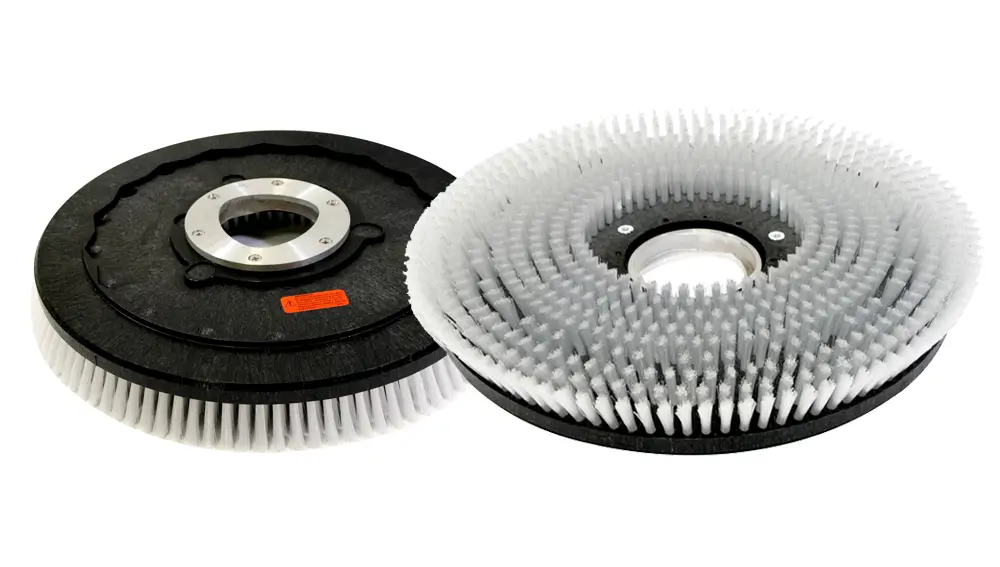
Brush bristles: Nylon/PET bristles for durability and flexibility, suitable for fine dust and coarse debris. Adjustable brushes: Height-adjustable side brushes ensure full coverage along walls and corners. Brush replacement: Opt for easily replaceable brush modules to reduce long-term maintenance costs.
4. Ergonomic Design
- Adjustable handles: Customize height to fit operators of different statures, reducing fatigue during long shifts.
- Smooth-rolling wheels: Non-marking rubber wheels protect delicate floors while ensuring easy maneuverability.
- Lightweight frame: Aluminum or high-strength plastic frames enhance portability without sacrificing durability.
Applications of Push Sweepers in Different Industries
Warehousing & Logistics
Warehouses with concrete floors and narrow aisles rely on push sweepers for daily cleaning. Their ability to navigate around pallets and equipment makes them ideal for maintaining clean storage areas, reducing dust accumulation on inventory, and improving workplace safety.
2. Education & Healthcare
Schools, universities, and hospitals require quiet, low-emission cleaning solutions. Walk-behind sweepers with low noise levels are perfect for cleaning classrooms, corridors, and hospital wards without disrupting daily operations.
3. Retail & Hospitality
Malls, supermarkets, and hotels need frequent floor maintenance to enhance customer experience. Push sweepers enable quick, efficient cleaning of lobbies, aisles, and parking lots, ensuring a clean and welcoming environment.
4. Industrial & Manufacturing
Factories producing machinery, electronics, or construction materials face heavy dust and debris. Heavy-duty push sweepers with large hoppers quickly remove industrial waste, maintaining compliance with environmental regulations and protecting equipment from dust damage.
Maintenance Tips for Long-Lasting Performance
To maximize the lifespan of your push sweeper or walk-behind sweeper, follow these maintenance best practices:
- Regular Brush Inspection: Check brush bristles for wear weekly; replace worn brushes to maintain cleaning efficiency.
- Hopper Cleaning: Empty the debris hopper after each use and wash it with water to prevent dust buildup and odors.
- Lubrication: Apply lubricant to moving parts (wheels, brush shafts) monthly to reduce friction and extend component life.
- Storage: Store the sweeper in a dry, covered area to protect it from harsh weather and prevent rust.
- Filter Maintenance: Clean or replace filters regularly to maintain airflow and prevent dust recirculation.
Why Choose Push Sweepers Over Traditional Cleaning Methods?
Traditional brooms and manual sweeping are time-consuming, labor-intensive, and inefficient. A single push sweeper can clean 6-10 times faster than a traditional broom, reducing labor costs by up to 80%. Additionally, mechanical cleaning minimizes human exposure to dust and harmful debris, improving worker health and safety.
For businesses looking to balance efficiency, cost savings, and environmental responsibility, push sweepers and walk-behind sweepers are the ultimate cleaning solution. Their versatility, durability, and low maintenance requirements make them a worthwhile investment for any facility.
Final Thoughts
Whether you opt for a manual push sweeper for small spaces or a powered walk-behind sweeper for larger areas, choosing the right machine tailored to your cleaning needs is crucial. By prioritizing key features, understanding application-specific requirements, and following proper maintenance practices, you can ensure consistent, high-quality cleaning results while optimizing your operational budget.
Invest in a quality push sweeper today and transform your floor cleaning operations into a seamless, efficient process!